
Puffy face. Brain fog. Breakouts. Bloating. Exhaustion. What if they're not five separate problems?
Inflammation has become one of those wellness words we hear everywhere.
But here's the important part.
Inflammation itself isn't bad.
It's a normal and essential part of your immune response. It helps you fight infection, repair tissue and recover from injury.
The problem is when inflammatory signalling remains elevated for longer than necessary.
Chronic, low-grade inflammation can be influenced by everything from stress and poor sleep to diet, UV exposure and metabolic health. And sometimes, the signs are much less obvious than you might expect.
We don't believe every symptom means you're "inflamed". But we do believe your symptoms are worth paying attention to.
Here are five signs your body might be asking for more support and what to do about it.

You wake up with a puffy face.
Your rings suddenly feel tighter.
Your stomach looks completely different by the end of the day or you wake up with a bloated belly.
You constantly feel like you're retaining water.
Bloating and fluid retention can have many causes, including digestion, hormones, sodium intake and your menstrual cycle. Inflammation can also affect fluid balance and gut function.
Before trying to "flush" everything out, look at the bigger picture.
For extra support, our De-Bloat Lymphatic Duo combines our De-Bloat Lymphatic Drops with our De-Bloat Lymphatic Body Glaze designed to flush excess water retention and stagnent fluid to feel sculpted and energised everyday.
Pair it with walking, hydration, diaphragmatic breathing and gentle lymphatic massage.
And if you want a full easy to follow step by step reset, the 5 day Gut + Lymphatic Reset Protocol is a start-to-finish guide with 12 lymph loving recipes that is designed to ease symptoms of bloating, constipation, stress and water retention so you can finally see the results you’re looking for.
Think FLOW, not force.

Your skin can be one of the first places you notice that something isn't quite right.
Persistent redness, sensitivity and inflammatory breakouts can be influenced by multiple factors, including your skin barrier, diet, hormones, stress and environmental exposure.
This is why simply attacking a breakout with harsh actives isn't always the answer.
And don't forget prevention.
UV exposure can trigger oxidative stress and inflammatory pathways in the skin, which is why daily protection with SPF NOTOX is one of our acne safe non-negotiables for skin longevity and protection to leave your skin bouncy and calm for beautiful ageing.
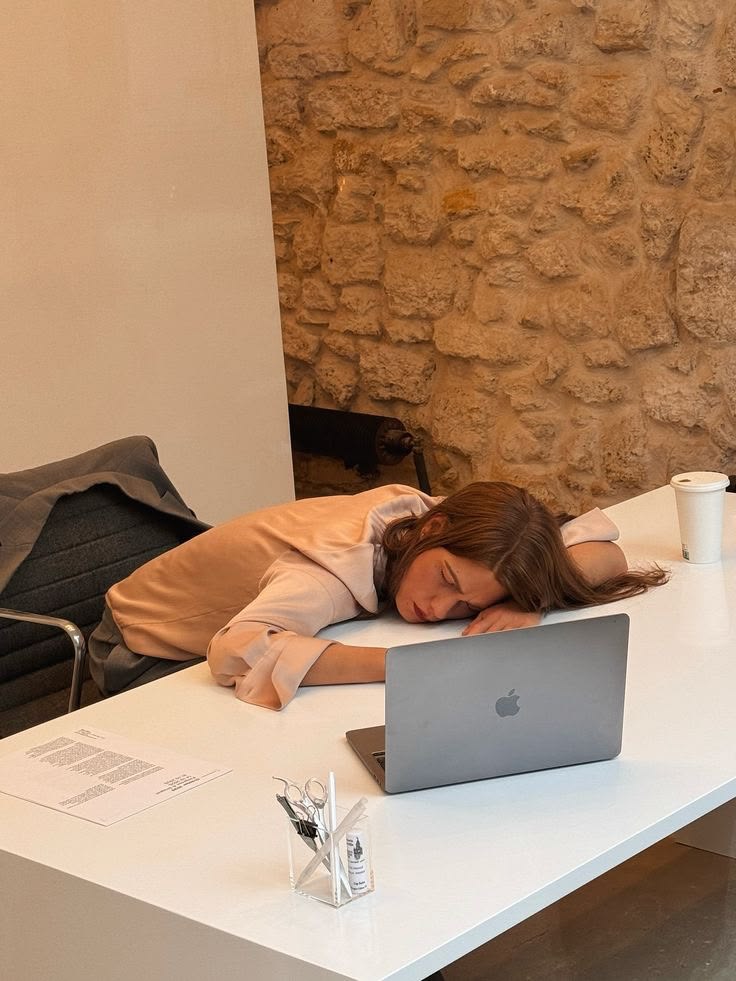
You spend the entire day exhausted.
Then your head hits the pillow and suddenly your brain decides it's time to think about everything you've ever done.
Sound familiar?
Chronic psychological stress can influence inflammatory signalling, while inadequate sleep can also affect immune regulation.
It can become a cycle.
Stress affects sleep. Poor sleep affects recovery. Poor recovery can make you feel even less resilient to stress.
Instead of only focusing on "getting eight hours", create signals that tell your body the day is over.
And make your evening routine something you genuinely look forward to. Here is my 10 minute go to wind-down routine for the best night’s sleep so you can wake up with more energy.
Our Magnesium Glymphatic Sleepy Butter was designed to become part of this nightly ritual, pairing 200mg of topical magnesium per use with the power of massage to support accupressure points, relaxation and restorative sleep.

You walk into a room and forget why you're there.
You reread the same sentence three times without it going in.
Your concentration disappears halfway through the afternoon.
Brain fog isn't a diagnosis and it can have many causes, from inadequate sleep, glymphatic (brain drainage) stagnation and stress to nutritional deficiencies and hormonal changes.
Research is also increasingly exploring the relationship between immune signalling, inflammation and cognitive function.
Start with getting the foundations right. Then get into the targeted editions.
Sleep. Movement. Blood sugar stability. Stress management. Hydration. Nutrient-dense food.
We particularly love colourful foods rich in polyphenols, such as berries, cacao, pomegranate, herbs, spices and high-quality extra virgin olive oil.
Why? Because polyphenols are being studied for their antioxidant and anti-inflammatory properties, as well as their relationship with the gut microbiome.
Your longevity routine can start on your plate!

A hard workout wipes you out for days.
A late night takes you half the week to recover from.
Stress feels harder to handle than it used to.
One of the biggest signs we pay attention to isn't necessarily how much stress someone experiences.
It's how well they recover from it.
Your body needs periods of stress in order to handle what you are destined for. The only way your nervous system adapts to stress is to be put through things that increase it’s capacity.
Exercise itself is a stressor.
But it also needs periods of recovery.
When the balance continually tips towards stress without adequate sleep, nourishment and recovery, you may start feeling the effects.
Stop treating recovery like something you earn.
Make it an essential step of the protocol. How?
Fixes muscles: Protein provides amino acids to repair tiny tears from exercise.
Restores energy: Carbohydrates refill your muscle fuel stores (glycogen).
Rehydrates: Water and electrolytes replace what you lost through sweat
Anything that does supports those processes will accelerate faster recovery
Affirmations for stress:
I am allowed to let go of things I cannot change.
I am releasing the need to rush or fix everything today.
I am choosing peace over worry
A prayer that I love:
Lord, I give You my stress: I lay down the burdens I am carrying and leave them at Your feet. Help me to trust in Your control instead of trying to fix everything on my own. In Jesus name, I pray. Amen.
And create small moments throughout the day where your body isn't being asked to perform.
Having one of these symptoms doesn't automatically mean you have chronic inflammation.
That's important.
Bloating, fatigue, breakouts, brain fog and poor recovery can have many different causes. Persistent or unexplained symptoms should always be discussed with an appropriate healthcare professional.
But these signs can be useful prompts to stop looking at your body as a collection of unrelated problems.
We always come back to the same question:
What's happening underneath the symptom?
Your skin talks to your brain.
Your brain talks to your gut.
Your gut interacts with your immune system.
Your nervous system influences how you respond to stress.
Everything is connected.
So instead of trying to bio-hack your way out of every symptom individually, start by supporting the foundations.
Sleep deeply.
Eat colour.
Move your body.
Support your nervous system.
Protect your skin.
Prioritise recovery.
Because feeling better isn't always about doing more.
Sometimes it's about giving your body more of what it already needs to do its job.
Explore the eyeam protocols designed to support your skin, gut, lymphatic system, sleep and stress resilience from the inside out.