

You've landed. Your suitcase is unpacked. You're finally in bed.
But it's 3am, you're wide awake, and somehow you know you'll be exhausted by breakfast.
Sound familiar?
Jet lag is one of those things we tend to accept as part of travelling. But understanding what's actually happening inside your body can make adjusting to a new time zone a little easier.
Jet lag is a temporary disruption to your body's internal clock, known as your circadian rhythm.
Your circadian rhythm follows an approximately 24-hour cycle, helping regulate when you feel awake, when you feel sleepy, and the timing of processes such as digestion and hormone release.
The biggest external signal controlling this clock? Light.
When you travel rapidly across multiple time zones, your internal clock can remain aligned with the time back home, even though your destination is operating on a completely different schedule.
That's why you might feel sleepy at lunchtime, hungry at unusual hours, or wide awake when everyone else is going to bed.

Your body may still be preparing for daytime, even when it's nighttime at your destination.
Your digestive system also follows daily rhythms. Changes in meal timing, sleep, hydration and routine can leave you feeling uncomfortable.
Poor sleep and circadian disruption can affect concentration, alertness and how mentally sharp you feel.

Falling asleep too early, waking in the middle of the night or struggling to get up in the morning are all common.
You might feel great one moment and exhausted the next as your body adjusts.
Light is one of the most powerful signals for your circadian rhythm.
Exposure to daylight at the appropriate time in your destination can help shift your internal clock.
But timing matters. Morning light isn't always the right answer, particularly after travelling across several time zones. The best light schedule depends on your direction of travel and how far your body clock needs to shift.
Once you arrive, try to align your meals, sleep and daily routine with your destination.
For longer trips, you can even begin shifting your bedtime gradually in the days before departure.

Flying can leave you feeling dehydrated, particularly if you're not drinking enough water.
Hydration won't reset your circadian rhythm, but it can help you feel more comfortable after a long flight.
After hours of sitting, a walk, some stretching or light movement can help you feel more refreshed.
For long journeys, getting up regularly and moving your legs is also important for circulation.

Your body needs signals that the day is coming to an end.
Dim the lights, put your phone away, keep your room cool and give yourself time to unwind.
The goal isn't to force sleep. It's to create the conditions that make it easier.
Your body has landed. Your self-care rituals can come with you.
We created the Jet Lag Set because travelling often means leaving our routines behind.
And while no skincare or supplement routine can reset your circadian clock on its own, a few thoughtful essentials can make the journey feel a little more comfortable.
Mum and I curated five of our favourite products for the flight, the morning after and the evening wind-down.

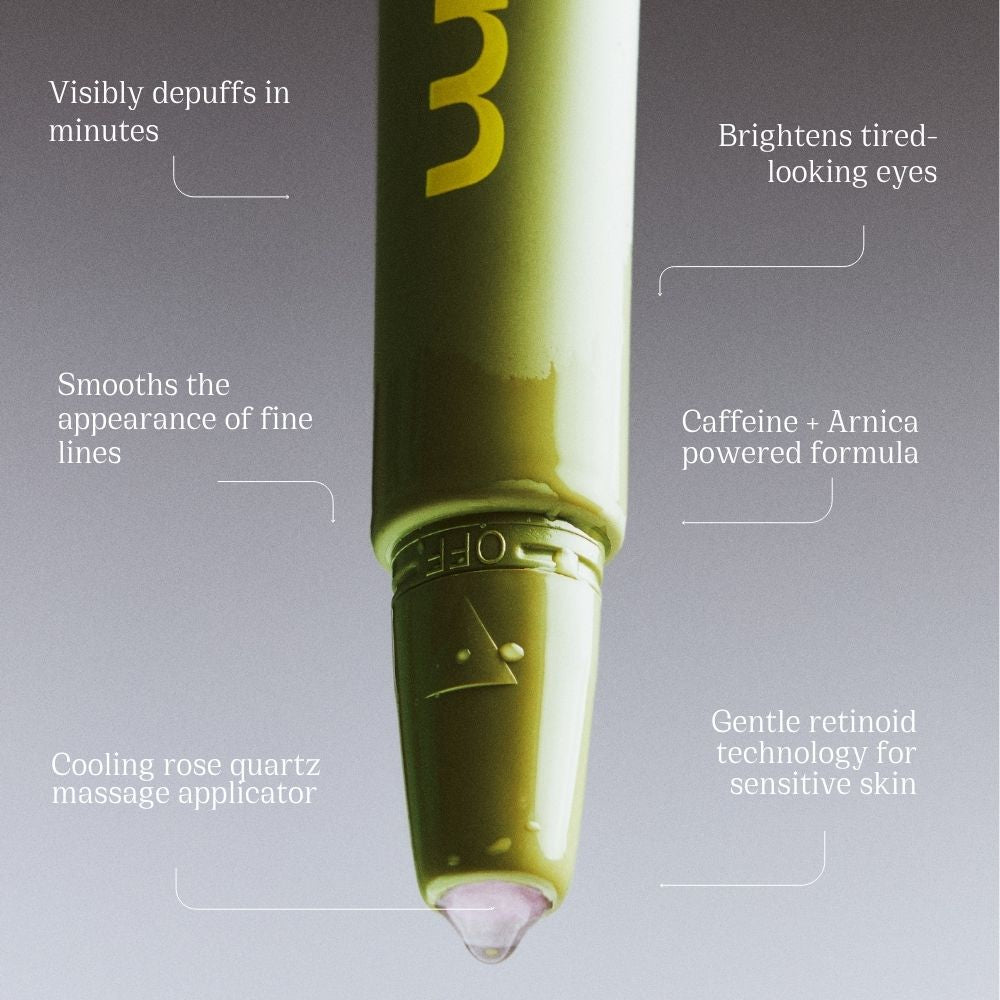


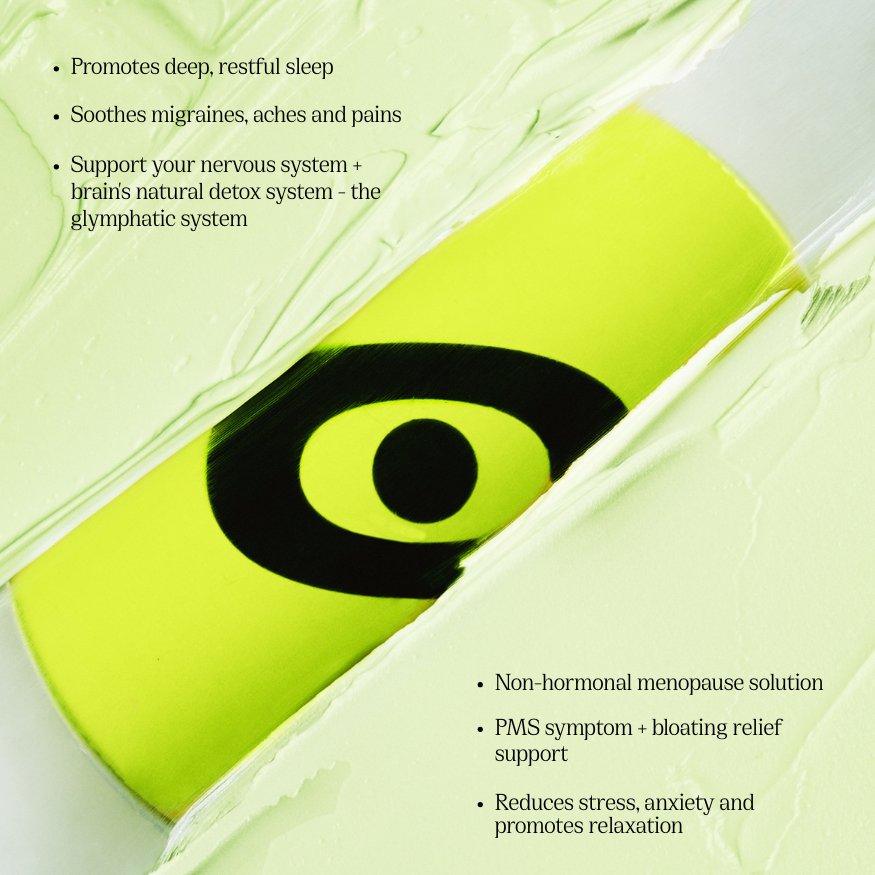


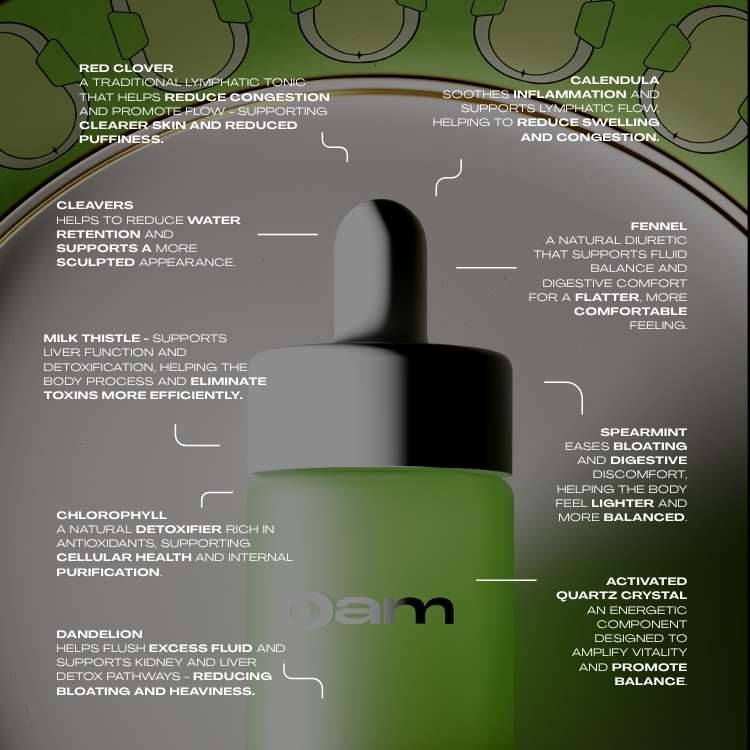
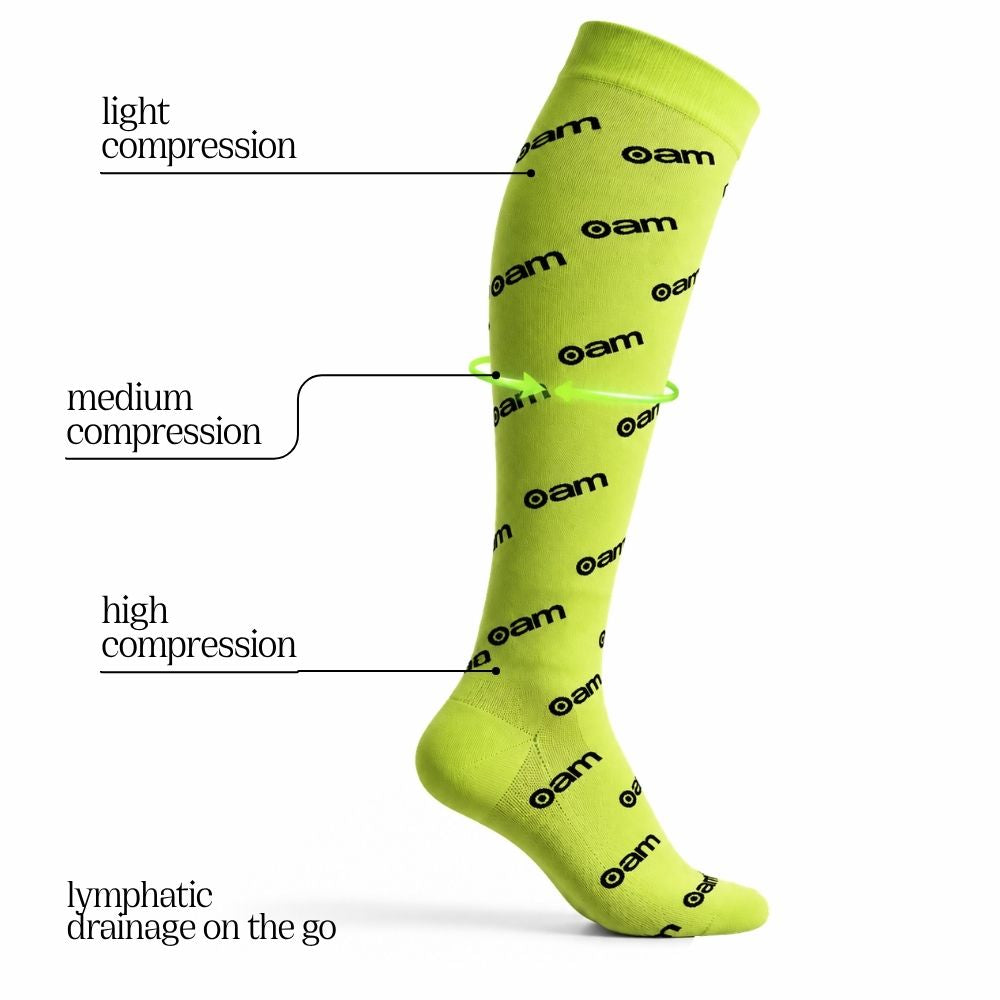
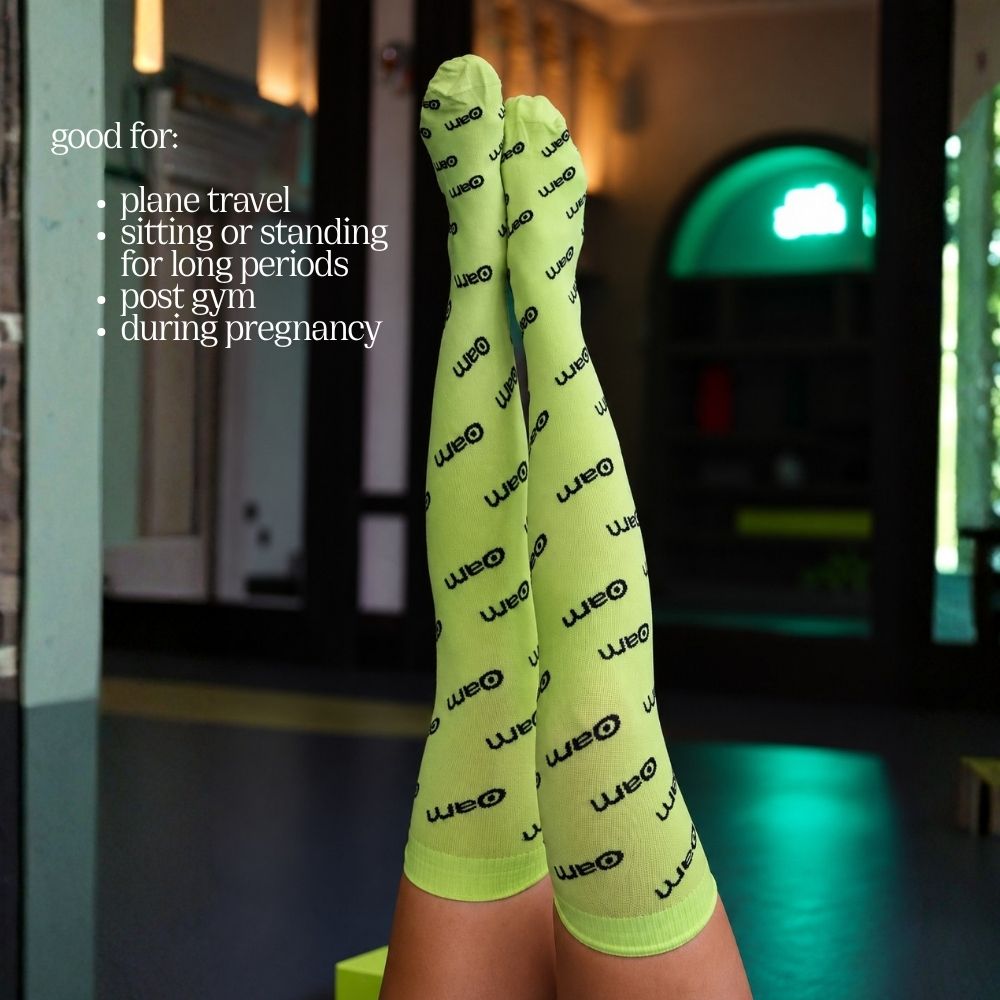


Stepping off the plane feeling heavy, puffy and completely drained?
You’ve tried the neck pillow, the eye mask and the litres of water, and you still land feeling like someone else. What if you could arrive feeling like yourself, wherever in the world you land? That’s what the Jet Lag Solution Set is for.
Our once-a-year black Friday set is over 30% OFF.
A curated take-off-to-touchdown ritual that helps your legs feel lighter, your eyes look less tired, and your first night somewhere new feel restful, not restless. Prepare to land as the real you.
Why you’ll love it:
This is a limited Solution Set, made once a year and available 21st–30 November ONLY.
When it closes, it stays closed. Claim yours.